Goodbye 2025
Incredibly, 2025 is drawing to a close. It has been another year marked by a bunch of publishing projects - some in the form of actual physical publications and a couple excitingly in the form of podcasts. As with the past couple of years, a lot of what I’ve helped create this year has been in the service of Levenshulme Old Library, the former library building in Levenshulme, the area of Manchester where I live, which is also the name of the charity I work for which was set up to care for it.
In reverse chronological order:
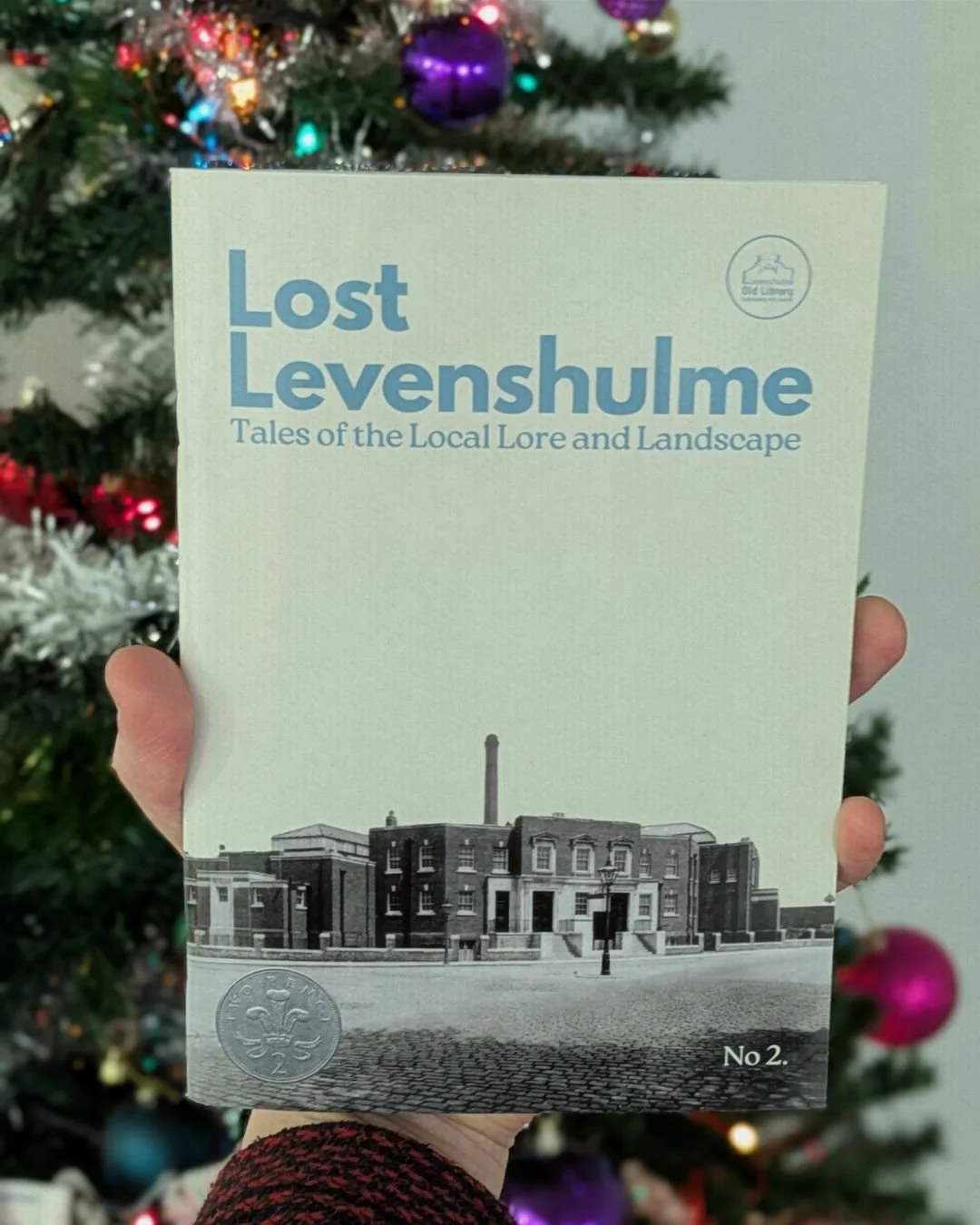
I really loved putting together issue two of Lost Levenshulme, a sort-of-local-history magazine exploring Levenshulme, the area of South Manchester where I live, both because of the enthusiasm and creativity of its contributors who are all local volunteers, and also because of the support it receives from the community who have hoovered up the copies we published. That ‘sort of’ is important to me - more traditional local history tends to focus very much on the known facts of a particular area. The known facts are indeed covered in Lost Leveshulme, but so are unknown and forgotten facts. The point of Lost Levenshulme, inasmuch as there is one, is that Levenshulme is special, but it’s not unique. Wherever you live there is history and heritage, and as much material to create something as beautiful and resonating as anything created in London, New York or wherever. The latest edition contains a long piece looking at the ancient waterways which run beneath local streets, as well as a photo essay on how to get lost in your own neighbourhood, an essay on visiting the area in search of 1950s noir filming locations, a short story set in a park (more on that in a mo) and a piece on the Secret Lake which was written as a companion piece to a podcast I also worked on. Buy a copy here.
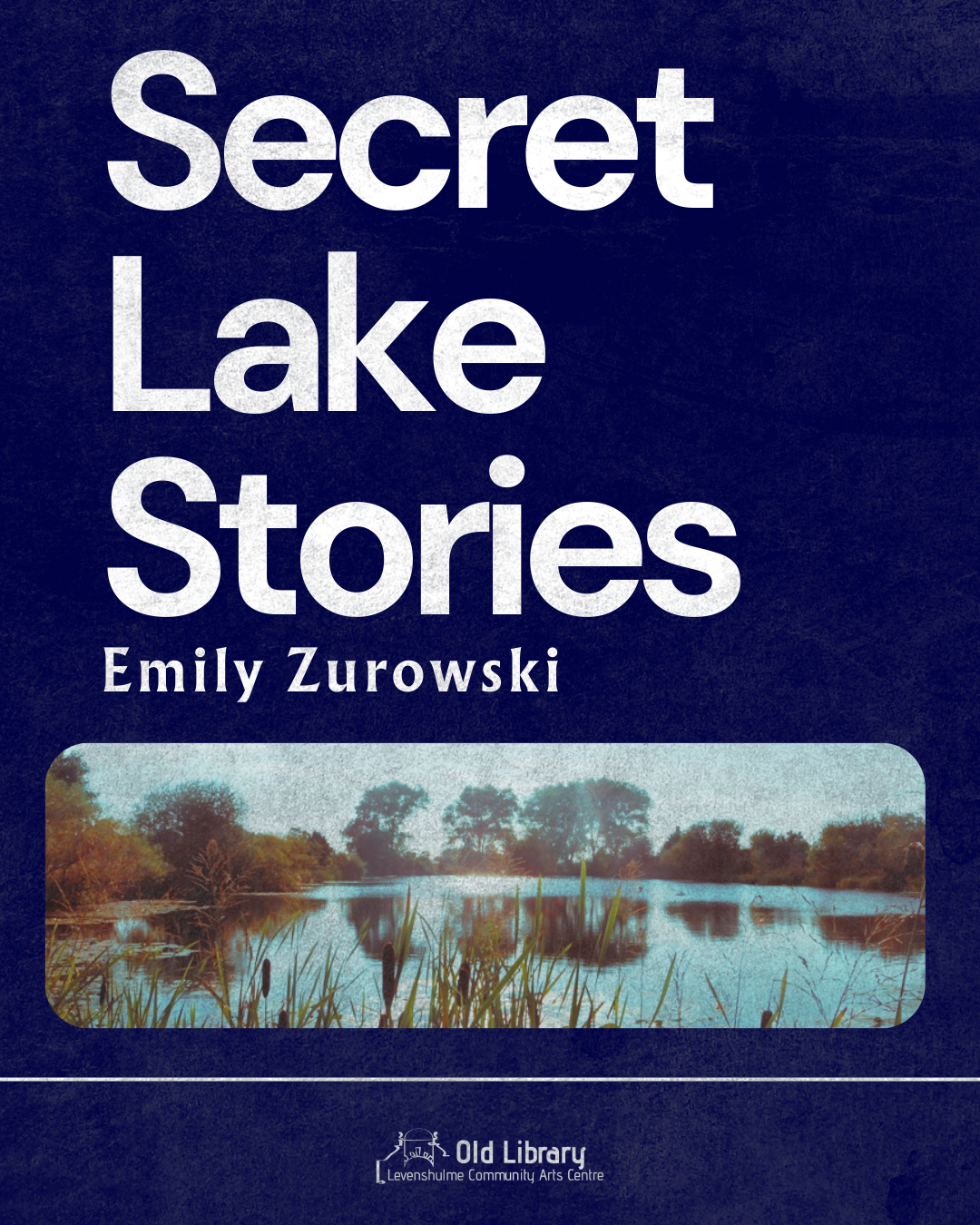
That podcast is Secret Lake Stories. The Secret Lake is just what it sounds like: a lake hidden away in the neighbourhood. Originally a reservoir constructed to provide water for one of the textiles mills which dominated Manchester in the nineteenth century, it was eventually abandoned and spent countless decades being reclaimed by nature while all around it became built up and industrialised: the lake itself is surrounded by a rubbish tip and a haulage site and a brownfield site and the former railway line on the other. This piece was created by Emily Zurowski, another volunteer, who spent a few weekends speaking to the walkers, swimmers and fishers who know and care for the lake, as well as creating field recordings of the space, all of which she expertly combined to create a portrait of an overlooked and undervalued space. Perhaps the highlight of my year was staging an event where the piece was ‘performed’ for an audience, with a number of speakers being placed around the main space at Levenshulme Old Library so the audience could experience the lake in 3D sound. Listen here.
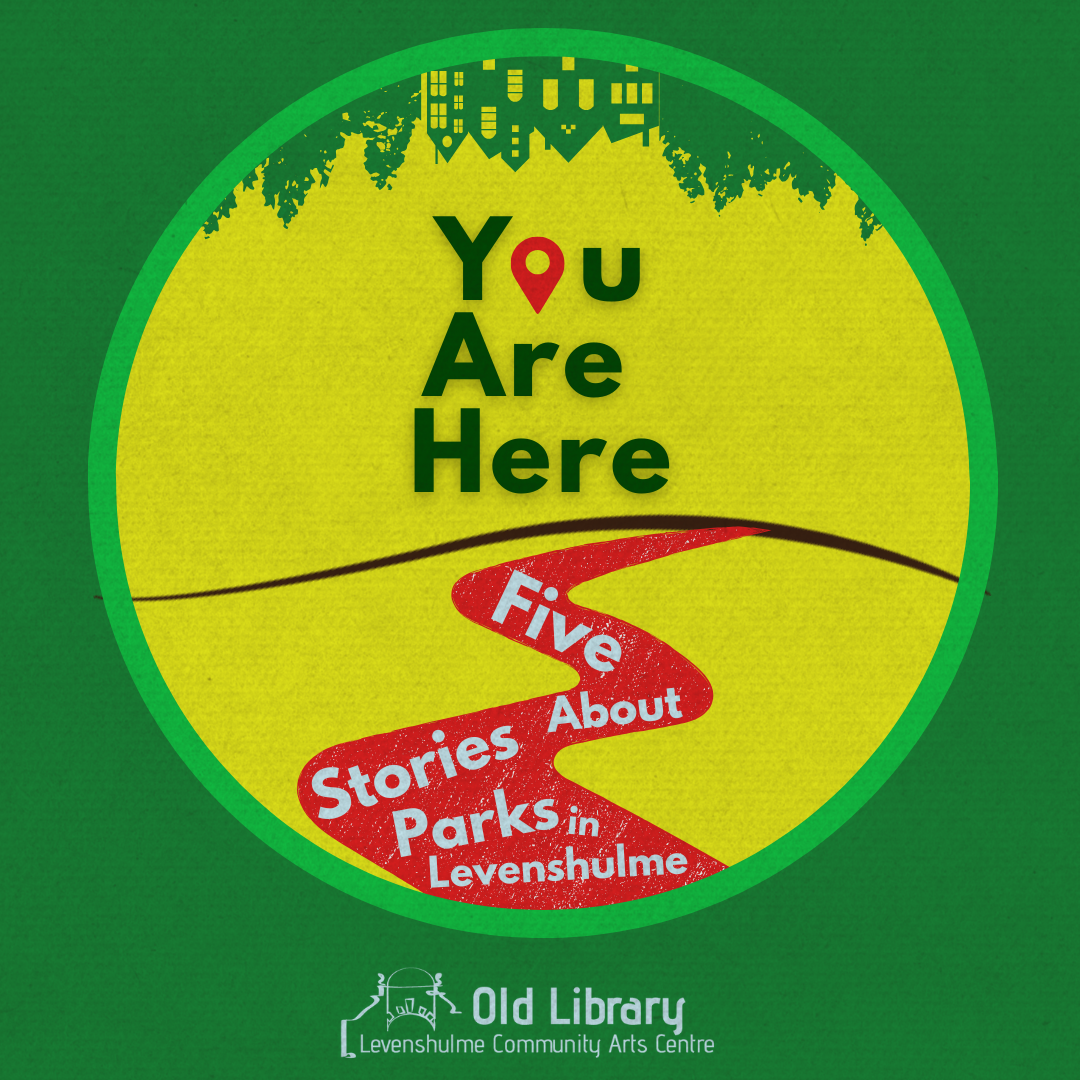
Secret Lake Stories came to life following the release of You Are Here, a project that brought together five writers to create new short stories rooted in Levenshulme’s parks and green spaces, each one drawing out a different strand of local history, memory and landscape. The stories were then recorded as podcasts alongside immersive soundscape episodes that aimed to place listeners inside those environments - paths, woodland edges, play areas, cut-throughs - and oral history episodes featuring the voices of local residents talking about their relationships with the spaces. We then created a series of signs containing QR codes which were installed in each of the parks, meaning people passing through these spaces could scan and listen, enjoying a story set in and inspired by the place where they were standing. Listen here.
As ever with editorial projects in this vein, the most rewarding aspect is seeing creative work - incredible creative work! - which would otherwise simply not have existed without the project. I was really pleased with all five of the stories commissioned for this project, but my personal favourite - in fact the thing I’m probably proudest to have had a hand in bringing to life this year - was ‘Tripe’, the first published piece by an emerging writer, Verity Platt, who received a dedicated mentorship programme as part of You Are Here. It’s a deeply odd story, one that connects really strongly with the landscape in question and has a strange, uncannily assured tone which I just found utterly compelling. You can listen to Verity reading ‘Tripe’, or you can buy a copy of Lost Levenshulme and read it yourself - and, if you’re a person who commissions fiction from people, commission Verity!
So lots of Levenshulme stuff - but, honestly, I don’t think you need to live in or really have any knowledge of the area to enjoy any of the above projects. They all exist as standalone things, which resonate resoundingly on their own terms.

Finally, Writing the Magic, the fourth collection of essays edited by Dan Coxon and myself for Dead Ink, followed Writing the Uncanny, Writing the Future and last year’s Writing the Murder. This is a collection of essays exploring the inner workings of the fantasy genre from some of its most inventive voices, including Jeff Noon, Katherine Langrish and Alex Pheby among others, and covering topics like worldbuilding, the logic of magic and how and when to deploy your dragons on the page. As with all of the books in this series, the aim is to avoid producing a dry manual and instead create something which is foremost a good, interesting read - more specifically with this book, one which celebrates fantasy and explores how it captured the public imagination, while also acting as a kind of map of imagined worlds. The fifth and final book in the series, Writing the Real, will hopefully be out in Autumn 2026.
You can buy a copy of Writing the Magic here.
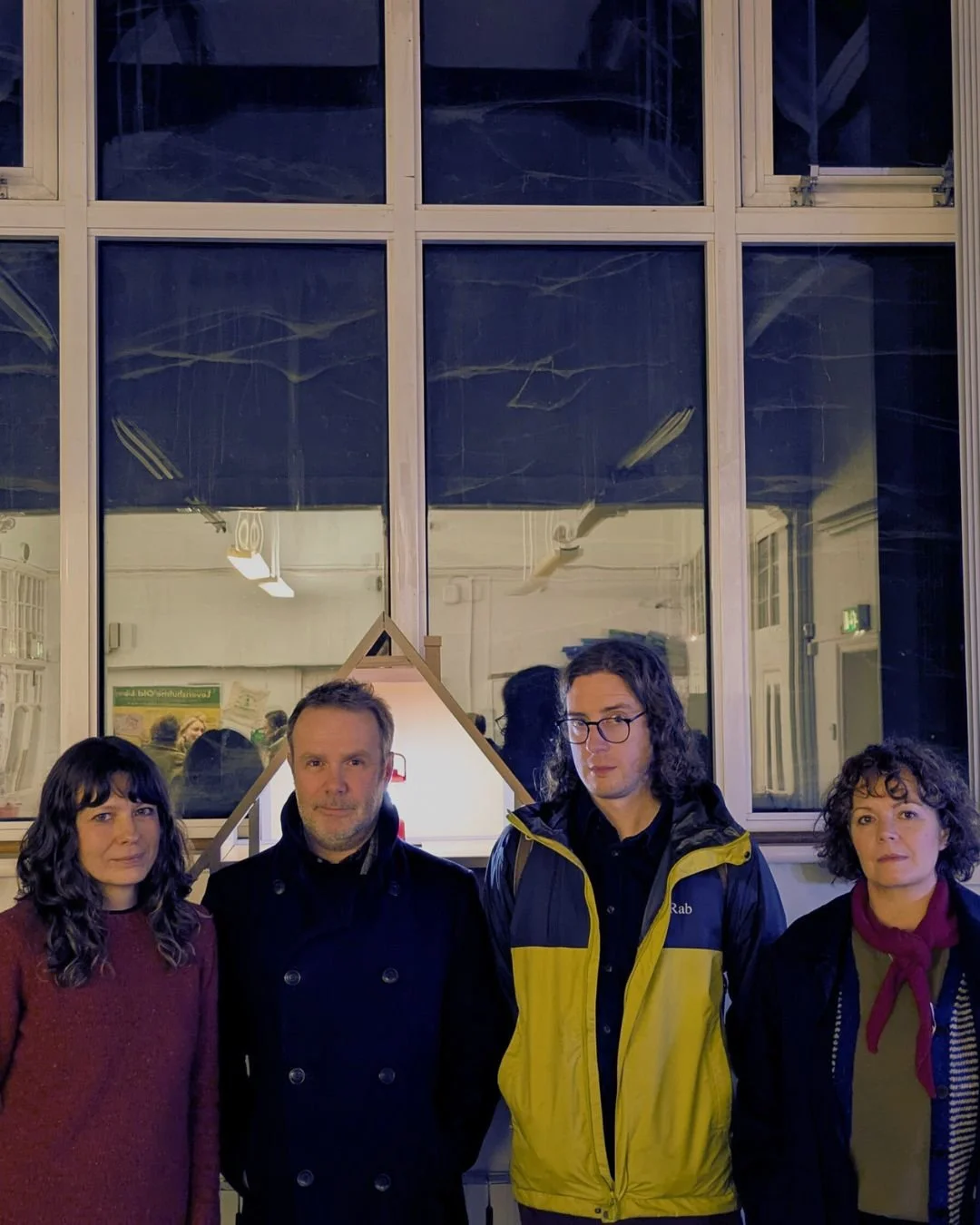

Sadly, despite Ghosts at the Old Library - the community-wide Christmas ghost stories project I run each year at Levenshulme Old Library - being a finalist at the Manchester Culture Awards, the Arts Council opted not to fund this year’s iteration. Instead I called in some favours and roped in Andrew Michael Hurley, Jenn Ashworth, Marie Crook and David Hartley for a one off lantern-lit event of ghost story readings, but creating a publication and podcast series and staging a series of school workshops, like we did in previous years, wasn’t possible. Happily, we did get to work with David to create a studio recording of his story. ‘Items’ is a wonderful, steely ghost story for the winter period which does a great job of revealing just enough to leave the reader quietly yet deeply unsettled. Listen here.
Pretty much the entirety of my own writing this year has taken the form of funding applications, again written for Levenshulme Old Library. I waffled on last year about how difficult it is trying to take a heritage building into community ownership while delivering high quality projects that make a difference to the neighbourhood. The situation has gained a modicum of stability since then, but it remains a difficult world to work in.
Reading!
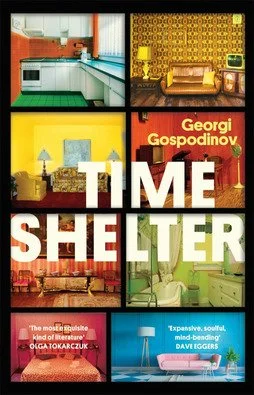
Books read this year included Time Shelter by Bulgaria’s Georgi Gospodinov, in which an epidemic of nostalgia sweeps through the world, leading a psychologist to create a clinic for the past, with each floor reproducing a different decade in minute detail. It was good to read a book which hit the Kafkaesque/Musil-esque spot while also grappling with contemporary themes: namely Brexit.
I tore my way through Old Soul by Susan Barker, a slightly David Mitchell-esque novel that did a great job of balancing literariness with horror. The titular old soul is an enigmatic woman who never seems to age and whose story is largely pieced together by the reader via her victims' case studies. It’s impeccably paced and deals well in tension, but the real star of the show is the beautifully precise prose.
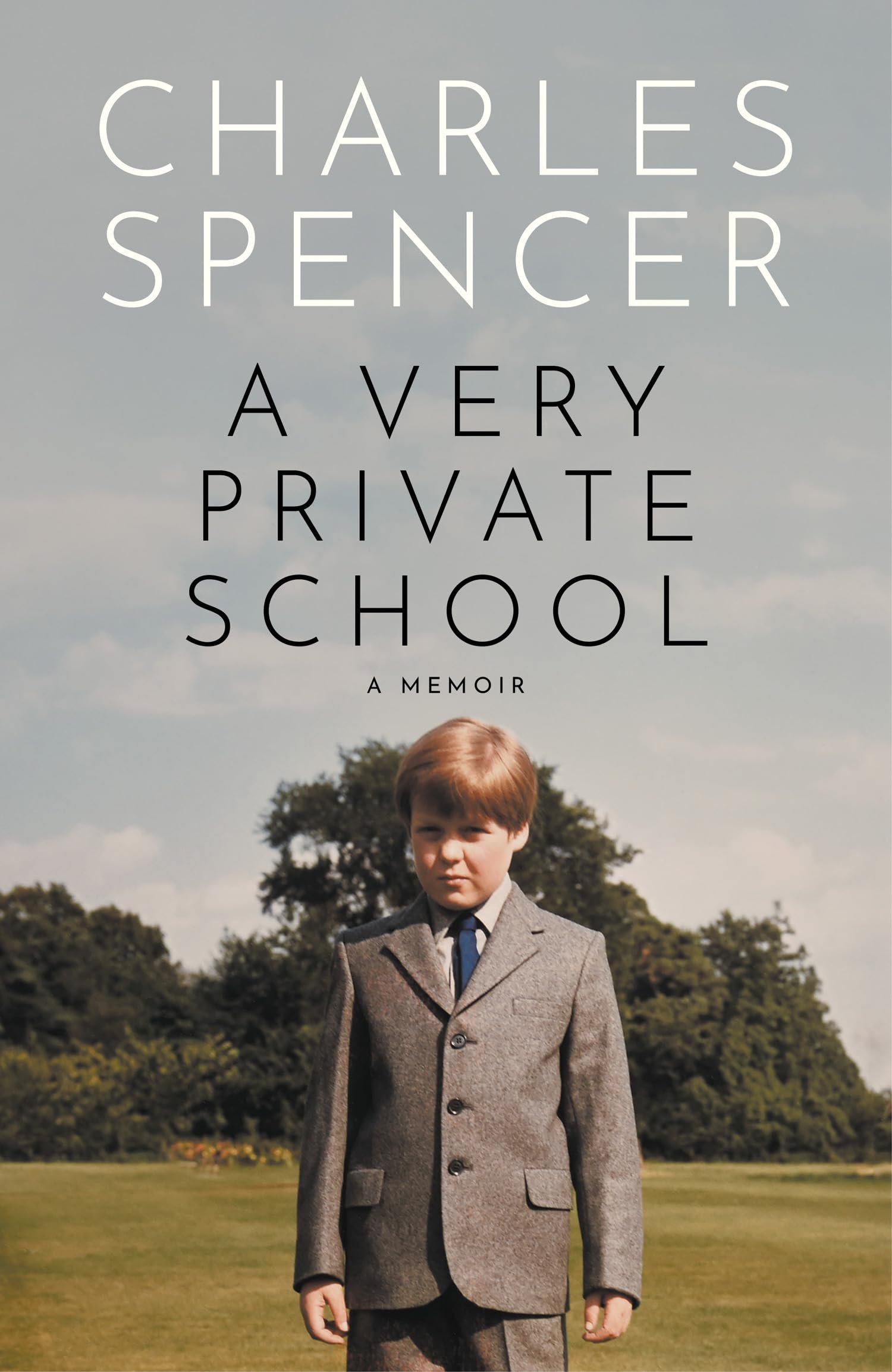
I also barrelled through A Very Private School by Charles Spencer (AKA Princess Diana’s brother), a memoir of his time at one of England’s most prestigious boarding schools. He writes in the introduction about his struggles to elicit sympathy when outlining his experiences, given how rarefied and privileged the setting is to the majority of the country, and I admit I went into this book with similar feelings: sure, I’m sure it was a bit miserable, but hey, you were rich. The descriptions of routine abuse though, both sexual and non-sexual and by numerous members of staff at the school, are written with an alertness to detail which reveals the imprint of a real and lasting trauma. But for me the things which made the book’s impact feel almost physical were the sense of overwhelming misery Spencer experienced at the school as well as his descriptions of how his memories festered within him, destroying his ability to form a lasting relationship and fuelling dark dreams of vengeance.
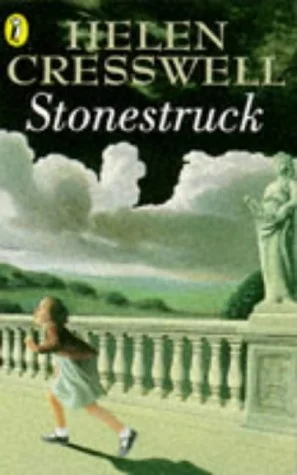
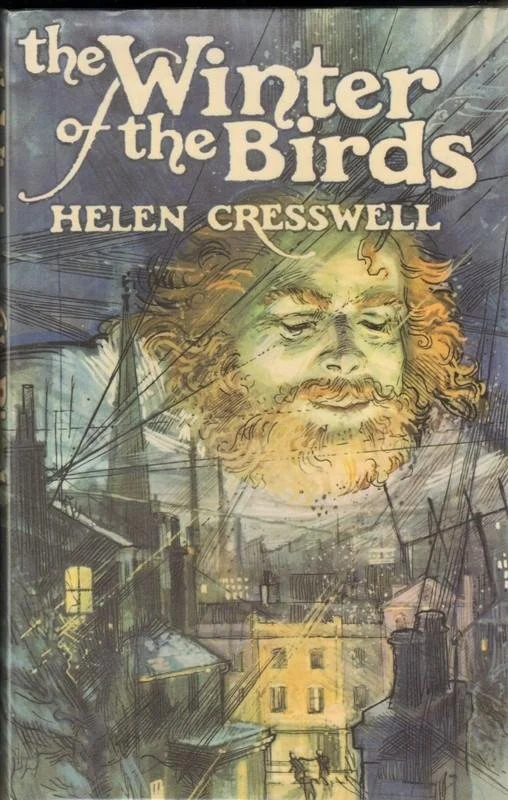
Helen Cresswell is a prolific children’s writer whose novels I’ve been catching up with over the past few years, sometimes reading them to my children, sometimes reading them for my own enjoyment. This year I read three of them. Ordinary Jack is the first of the Bagthorpe saga, a series of ten novels which tell the story of an eccentric middle class family. This one tells the story of a lonely, awkward boy who is the sole "ordinary" member of a family of self-proclaimed and relentlessly overachieving geniuses. I read Ordinary Jack with my kids in a hotel room during a rainy Easter break in Blackpool and we found we all loved it simply because it’s so funny. Later in the year I also read Stonestruck, a novel set in Powys Castle where a supernatural curse has besieged the local evacuees from London. I was interested in reading this as a place-based piece of supernatural storytelling - Cresswell also wrote The Watchers, a supernatural novel which takes Alton Towers as its setting and, perhaps most famously, Moondial, a timeslip novel set in Belton Hall, to which this novel felt like a slightly lesser companion piece. Finally, I picked up her 1975 novel, The Winter of the Birds, which I found pleasingly batty: ostensibly a children’s novel, it opens with, of all things, an attempted suicide by Alfred who is rescued by Finn, a mysterious and rather clunkily written Irishman who reunites him with his estranged sister and her foster son to defeat the evil metal birds which may or may not be preparing to attack the small town where they live. As this summary suggests, it’s a highly eccentric piece of storytelling which makes me want to seek out more of Cresswell’s lesser-known (and sadly out-of-print) work.
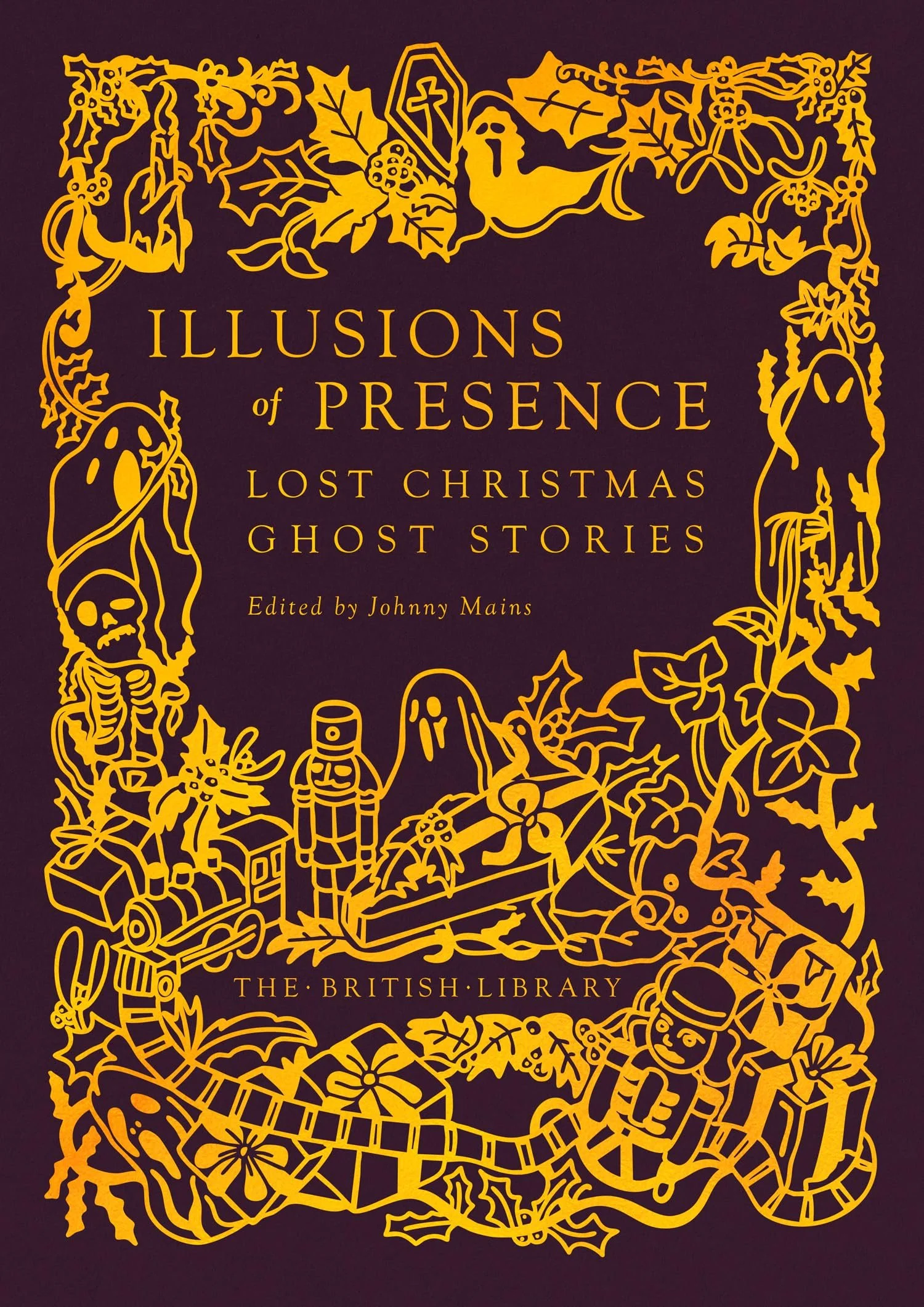
And finally, I have to give a quick mention to Illusions of Presence: Lost Christmas Ghost Stories edited by the great Johnny Mains. I have a love of the British Library’s handsome Tales of the Weird series, anthologies under a variety of themes - Evil Roots: Killer Tales of the Botanical Gothic, The Uncanny Gastronomic: Strange Tales of the Edible Weird - which collect obscure and overlooked uncanny short fiction from yesteryear. The theme for this collection is Christmas ghost stories which are hitherto completely forgotten, none of them having been reprinted since their original publication. As ever with these kinds of anthologies, some of the stories land better than others, but the final story, ‘Shadows of Evil’, an anonymous piece from 1871, is perhaps one of the most striking and unsettling things I’ve read this year.
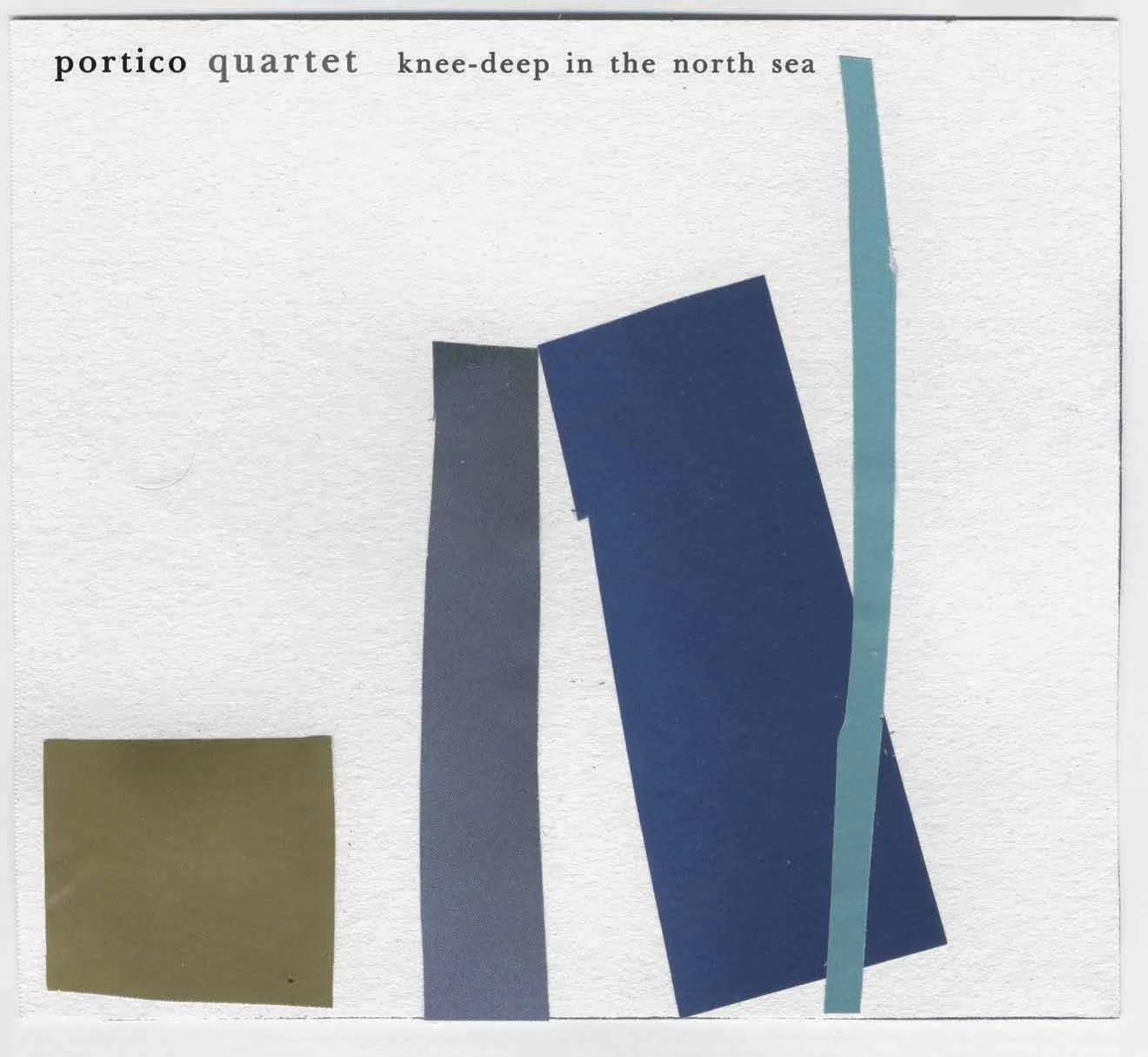
Music! It’s been a jazz year for me. For the first half of the year I seemed to listen almost exclusively to Sons of Kemet’s final album, 2021’s Black to Future. And for the past couple of months, I’ve been physically unable to listen to almost any music other than The Portico Quartet’s 2008 debut, Knee Deep in the North Sea, an album which I inexplicably think of as being deeply Christmassy.
It was great to have Pulp back, and after enjoying Getting Killed by Geese but deciding it didn’t really match the hype, I did find myself listening to it over and over and grudgingly have to accept it is very good.
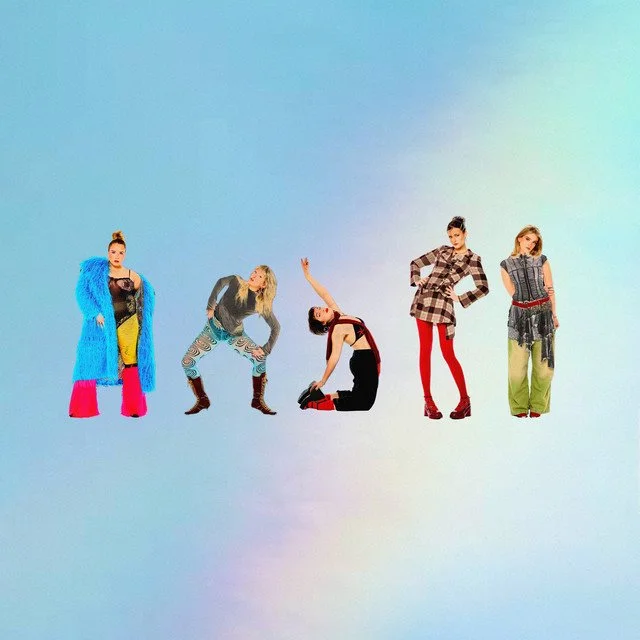
However, I think my album of the year may not actually be an album at all. I don’t really know much about Girl Group, other than that they are indeed a group of girls, and that they write and produce their own songs, all of which seem to be enviably catchy pop tracks, but with a scabrous sense of humour and an edge of something slightly more tilted and adventurous than one might otherwise expect. For all I know, Think They’re Looking, Let’s Perform, their EP, might well encapsulate the spirit of gen-Z feminism, but as a man in his 40s, it’s not really for me to say.
Anyway, here’s what all this has been leading up to, what I know, if you’ve been reading all of this, you’re really come here for - that’s right: it’s my favourite songs of the year.